
CBEC Forums / Stories
Part I: The 6th Cross-Border E-commerce Forum – Longnan
It was a quarter to eight on the evening of August 15, 2023, when Professor Zhou Deyi and I arrived at the sprawling Wuchang Railway Station, ready to embark on our overnight 16-hour train ride to Longnan. We had arrived nearly 2 hours early, giving us time to soak in the atmosphere as throngs of passengers flooded the station. Our excitement was palpable - after months of planning, we were finally embarking on this monumental trip.
Professor Zhou and I passed the time observing the scenes around us and engaging in thought-provoking discussions about his philosophies on advancing rural development in China. He was always ready with insightful perspectives.
As departure time crept closer, Professor Zhou broke unsettling news to me: due to overwhelming crowds, we may have to make do with hard seats for this long overnight journey. This prospect shocked me, while the well-traveled Professor Zhou took it in stride, having already anticipated this possibility. As seasoned voyagers, we knew discomfort was merely part of the adventure that lay ahead this night.
Soon after, Chen Zhilin and Li Gen joined us on the station.

The train was overflowing with passengers, some even resorting to sitting on the ground near the tracks. Being a local route, comfort was clearly not a priority. We squeezed into the hard seats, dismayed by the prospect of 14 hours in these cramped quarters. The crowds showed no sign of thinning as the train departed. We strategized to maximize our discomfort, taking turns resting our heads on the lone dinner table between the seats to catch a few winks.

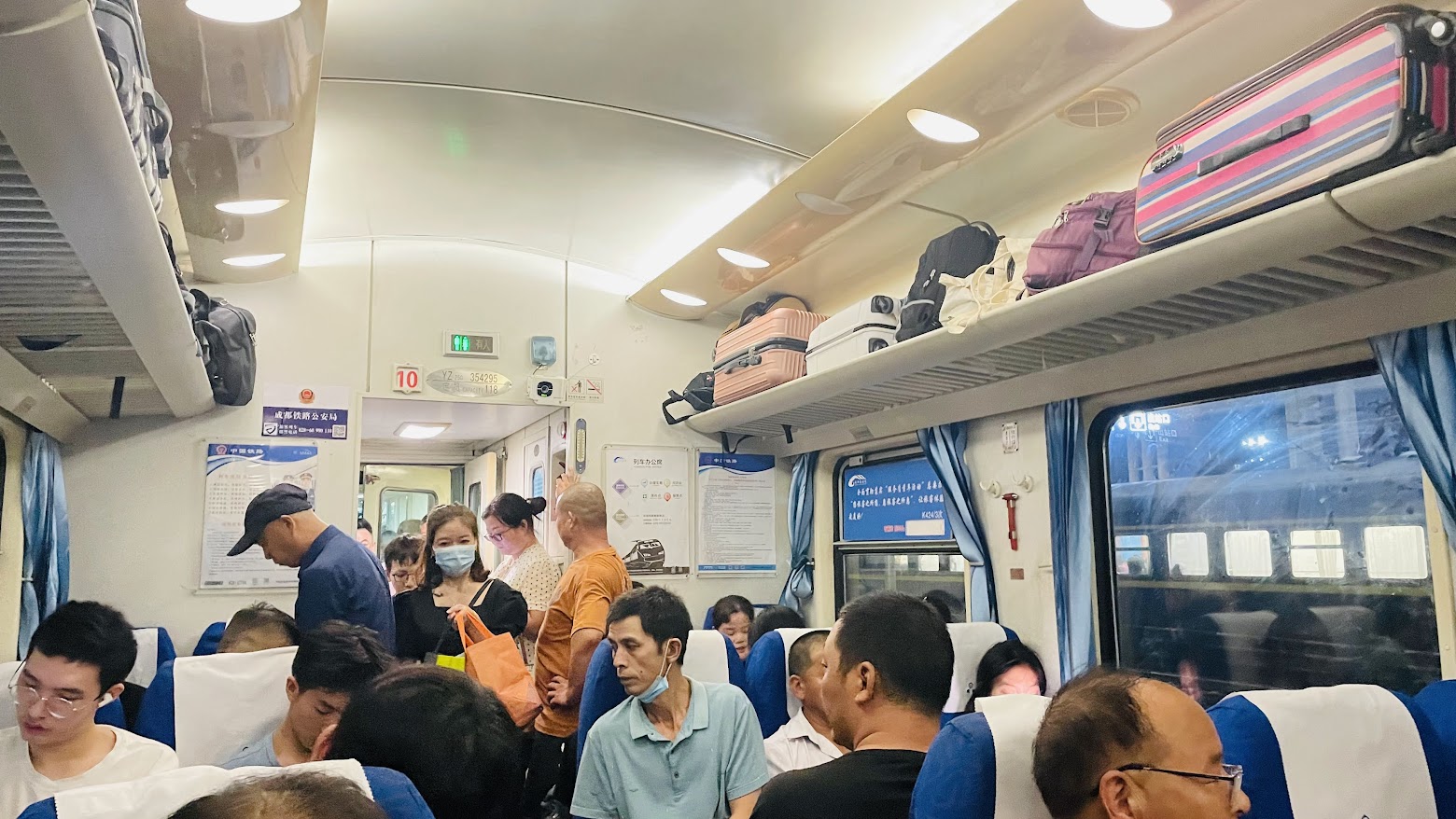
Exhausted as I was, the contorted sleeping positions afforded little actual rest. By 7am, we finally secured the coveted hard sleeper berths. "I may have already lost the sleep," Professor Zhou wryly observed, echoing our collective sentiment. I managed a luxurious five-hour nap, capitalizing on the newfound comfort.
Fourteen hours later, we arrived in Guangyuan, a city in Sichuan Province. After a quick lunch, we boarded a shorter, 90-minute train to Longnan. Stepping out of the modest station, we were immediately struck by Longnan's idyllic surroundings, a world away from Wuhan's hustle and bustle. Nestled amongst towering mountains, Longnan exuded a sense of serenity. Unlike Wuhan's humid hangover, the air here felt crisp and clean.


With Professor Zhou invited to an official dinner, Chen, Li and I seized the opportunity to explore the captivating Longnan River. Strolling along the paved riverbanks, lined with lush green trees, was serenely picturesque. The city skyline provided a panoramic view from across the river, underscoring Longnan's unique integration of natural and urban beauty. The city's laidback tempo and parks interwoven with urban development gave Longnan an atmosphere unlike any other city I'd visited in China. After having cooped up in a train for so many hours, stretching our legs along the tranquil river was the perfect way to decompress.


At night, we were joined by a local friend for dinner. We later retreated to the hotel, reflecting on the sights and insights gleaned from the our momentous journey thus far.
Day 1: Industrial Visits and Experiential Learning in Wudu, Longnan
On the morning of August 17th, our delegation, meticulously organized by the joint efforts of our CBEC team and Longnan E-commerce Bureau, convened in Wudu, Longnan. We were a team of 26, representing 17 distinct universities and enterprises. Accompanying us were Wang Runxue, Deputy Director of Longnan City E-commerce Development Bureau, and Wang Xue, Deputy Director of the E-commerce Center in Wudu District.
Xiangyu Olive Oil Processing Factory
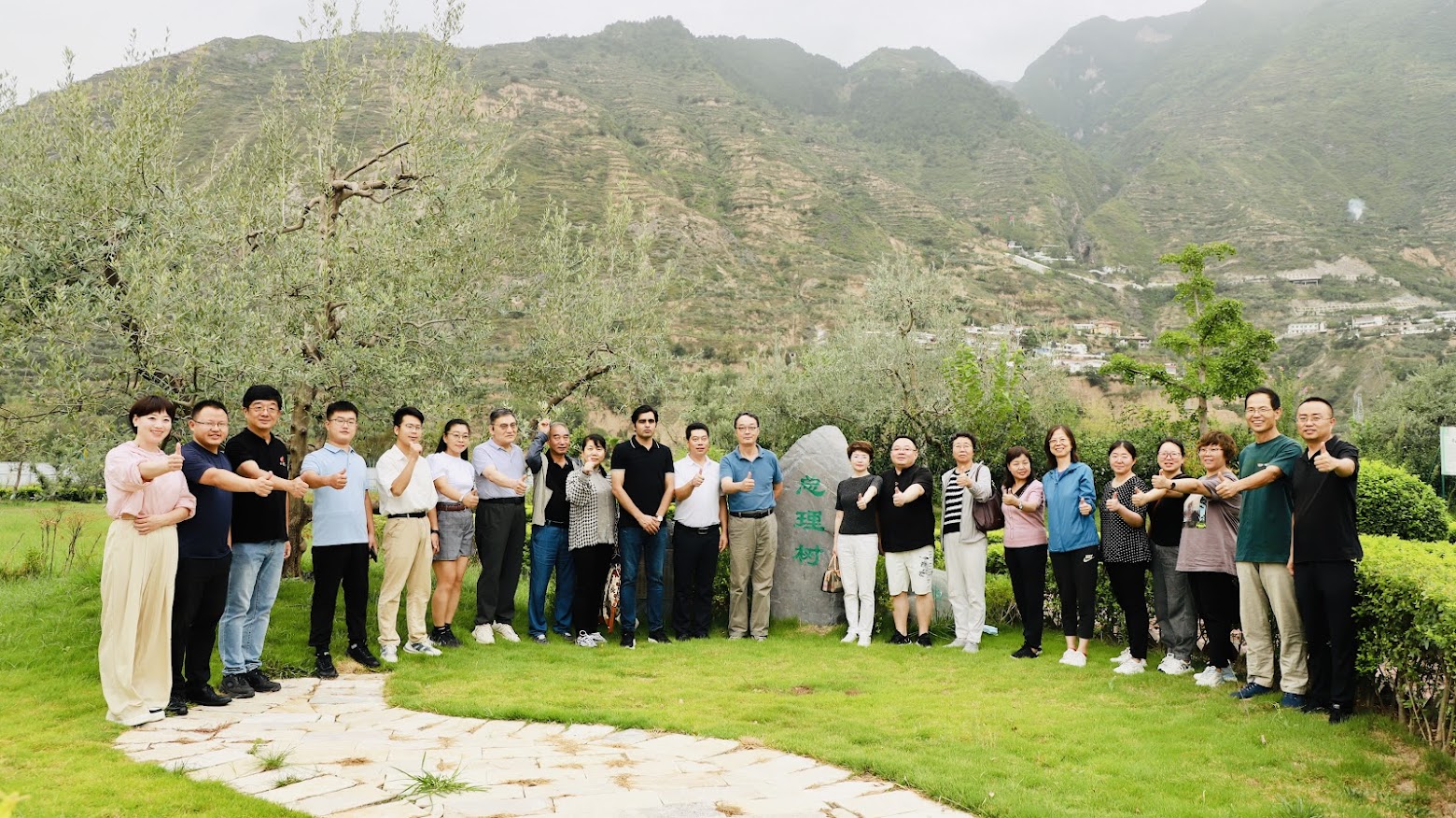
Our day started with a visit to the Xiangyu Olive Oil Processing Factory, established in 1997 as China’s largest full-chain olive oil enterprise. Wang Runxue, Deputy Director of the Longnan City E-commerce Development Bureau, served as our guide. The factory is not only a leader in olive oil but has diversified into six major product lines including health supplements, skincare products, olive wood art, beverages, and snacks. Its product, Xiangyu Olive Mingui Soft Capsules, fills a domestic gap in oil-based health supplements and has received a national invention patent. The factory has garnered over 220 national and provincial honors and has twice been invited to participate in drafting national standards for olive oil. Their products have won 62 gold medals in international olive oil competitions in Spain, Greece, and Italy, and are exported to multiple countries. The visit culminated in a tasting session of their award-winning olive oil and tea, captured by a group photograph.


DongYing Agricultural and Sideline Products Co. Ltd.
Our next destination was DongYing Agricultural and Sideline Products Co. Ltd., reached via the Gansu Expressway. Specializing in pepper production, this company boasts an annual sales volu`me of 110 million yuan. We were handed brochures detailing their operations, which indicated a high level of organization and market reach.


Longnan E-commerce Service Center
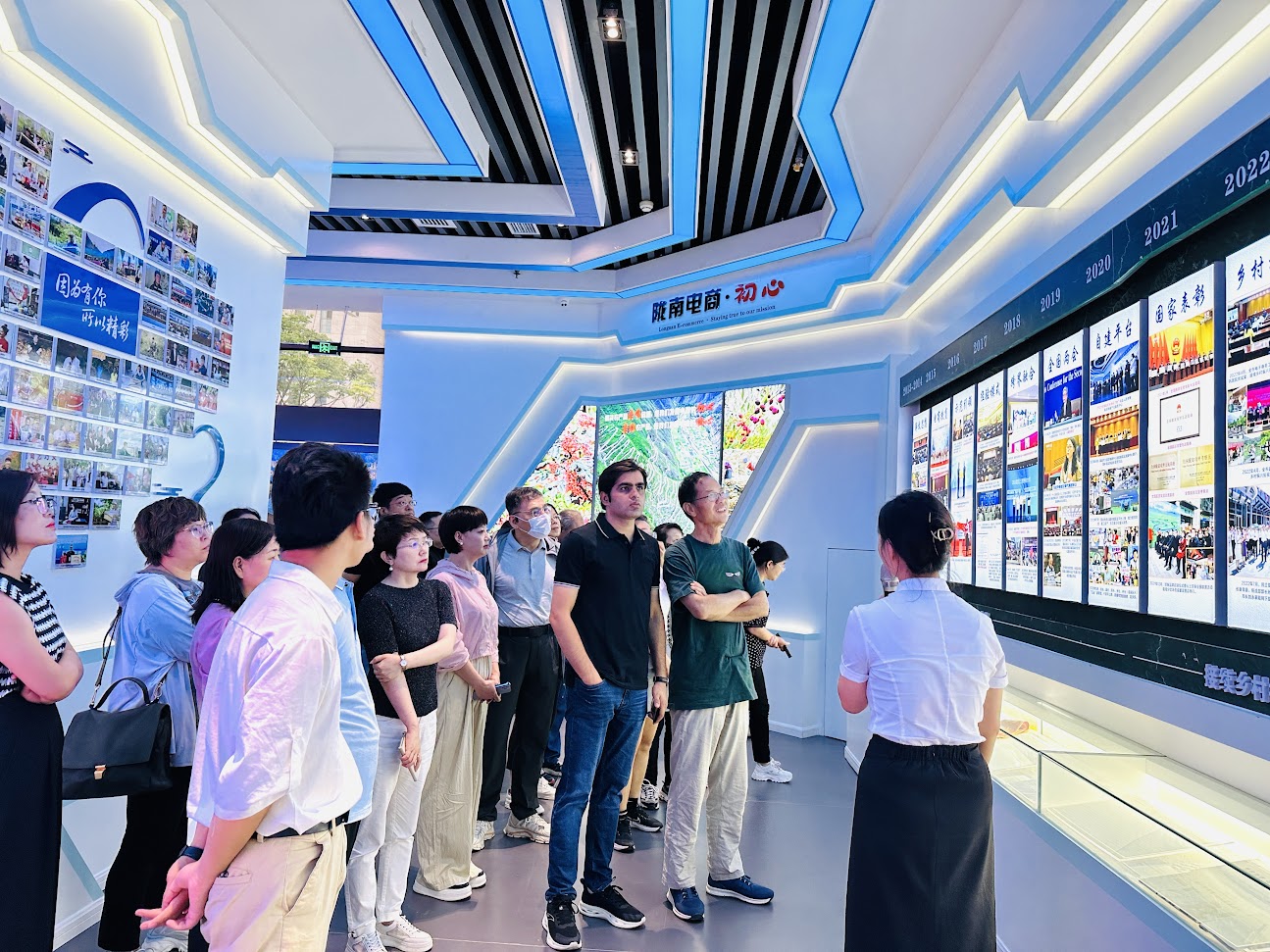
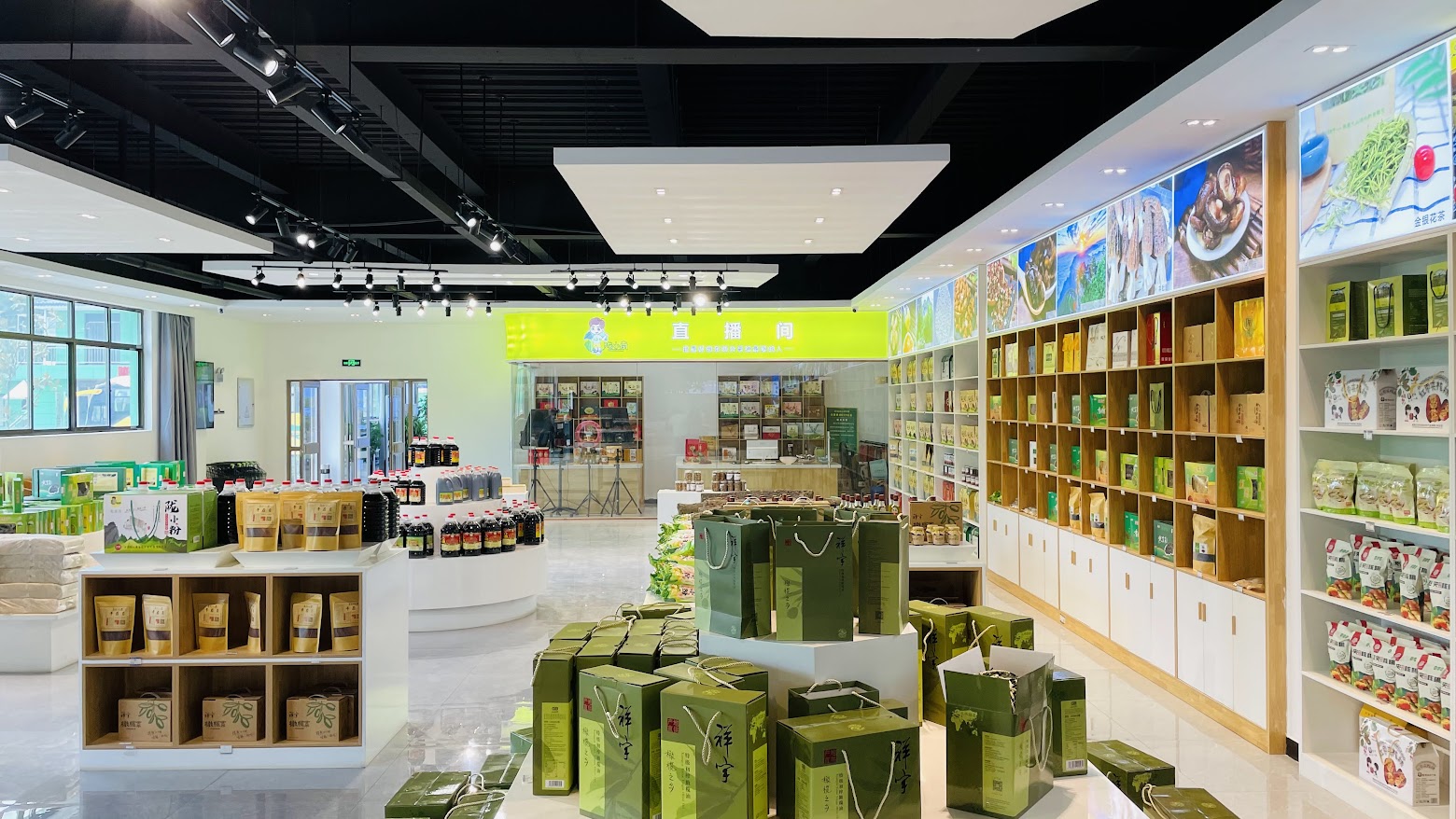
Our subsequent stop was the Longnan E-commerce Service Center, overseen by Wang Xue. Established in 2020, the center has been recognized as a National Poverty Alleviation Exchange Point. It is a composite facility that integrates retail, service incubation, and data analytics. The first floor serves as a showcase for the history of e-commerce development, online goods, data analytics, and local distribution. The second floor is a service hub offering MCN incubation, talent training, cross-border e-commerce, packaging, legal services, and third-party operations. The third floor is dedicated to e-commerce theory research and the nurturing of leading local e-commerce enterprises. Our visit illuminated the concept of 'one county, one industry,' hinting at its scalability across other regions.


Wudu District E-commerce Platform Industrial Agglomeration Zone
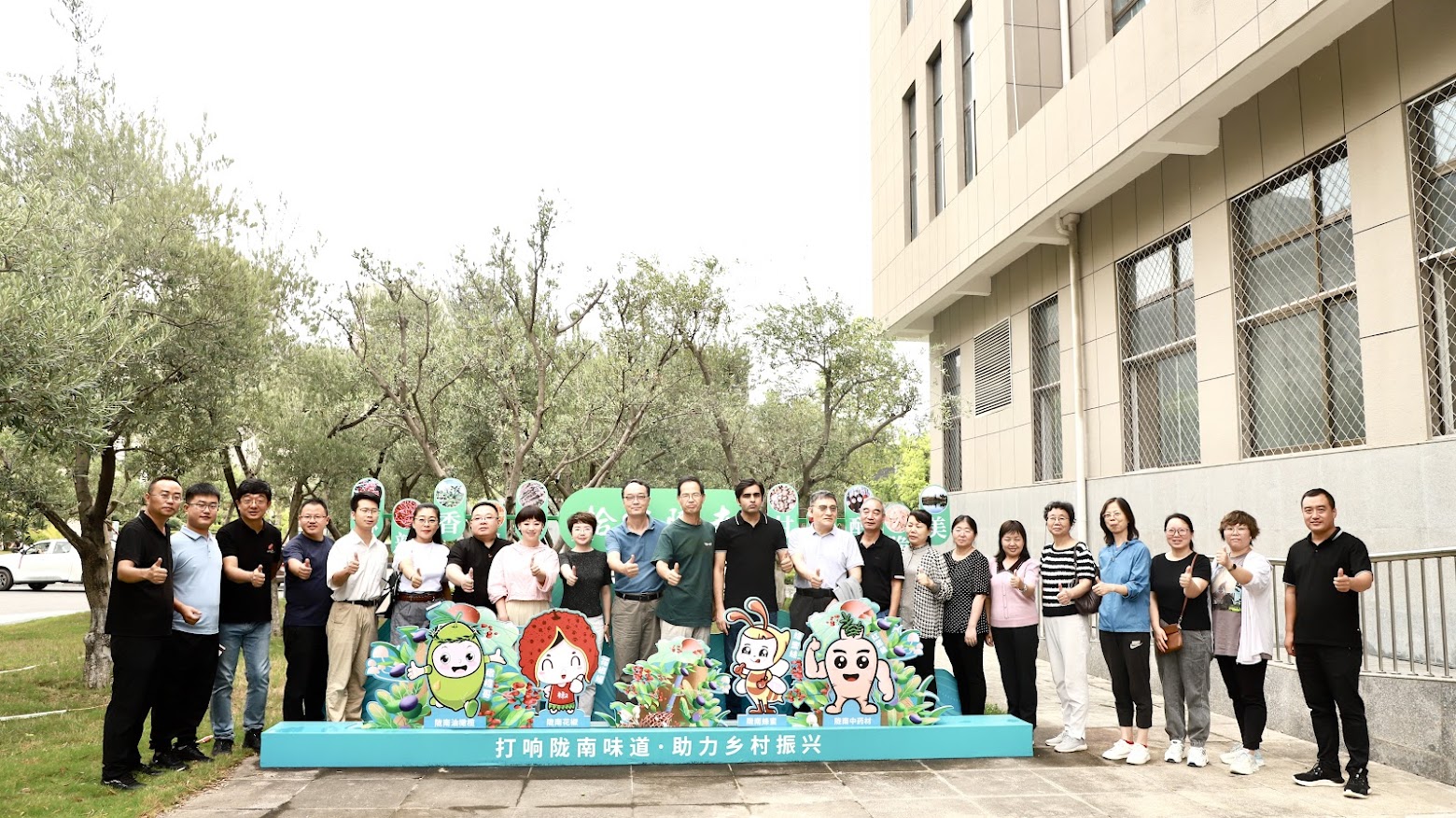
Then, we proceeded to visit Wudu District E-commerce Industrial Agglomeration Zone or the Longnan e-commerce platform industry cluster, which goes beyond being just a physical structure; it serves as an entrepreneurial ecosystem. The facility is an integrated e-commerce industrial cluster that supports rural revitalization by providing industrial, business model, and talent support. The first floor is dedicated to the sales area of characteristic industrial products mainly from Longnan, as well as a shared warehousing and distribution area for local deliveries. The second floor serves as an incubation area for cross-border business services, live-stream e-commerce platforms, and supply chain operations for characteristic industries. Floors three to five are individualized incubation and office operation areas for enterprises.


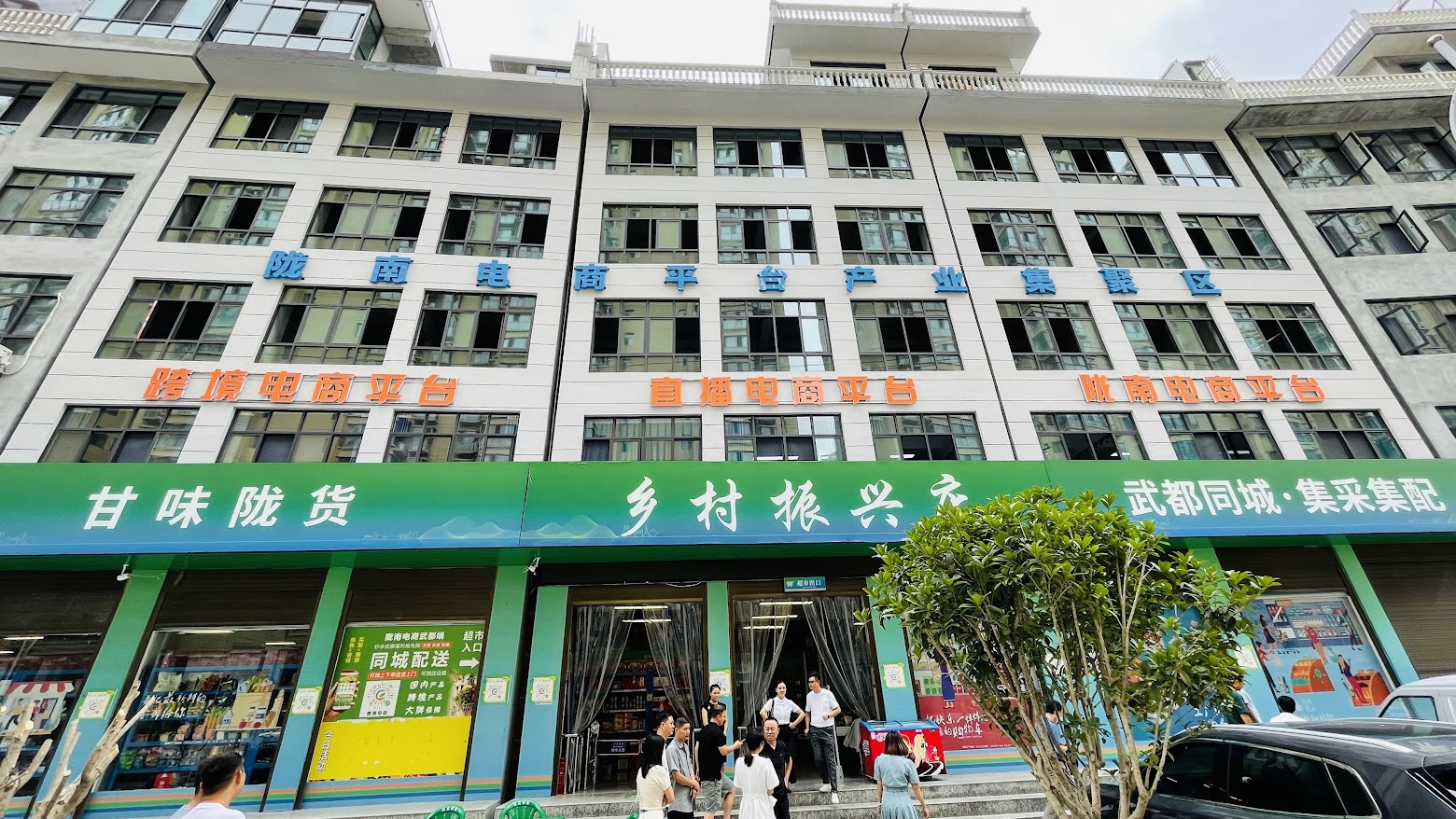

Visit to Shumei – a Soy Products Factory
After a brief luncheon, our itinerary took us to Shumei, a soy products manufacturing factory. Established in 2010, Shumei focuses on the research, development, and international sale of soy products. Employing around 80 individuals, Shumei leverages platforms like Facebook, TikTok, and WhatsApp for its global reach. The company’s facilities are monumental, with a daily processing capability of 11,500 tons and an annual recycling ability of 470,000 tons. Their adherence to HACCP and ISO9001 standards manifests their commitment to quality and consumer safety.


Jinhui Wine Factory Visit
Our day culminated with a visit to the Jinhui Wine Factory, the largest of its kind in northwestern China. Not merely an industrial establishment, Jinhui is also a National AAA tourist site and is actively engaged in community initiatives. Emphasized by banners throughout the facility, Jinhui prides itself on its blend of cultural heritage and modern development. The company has achieved a "AAAA" scenic spot rating and has been recognized for its strategic development plans, which harmonize modern amenities with natural beauty.

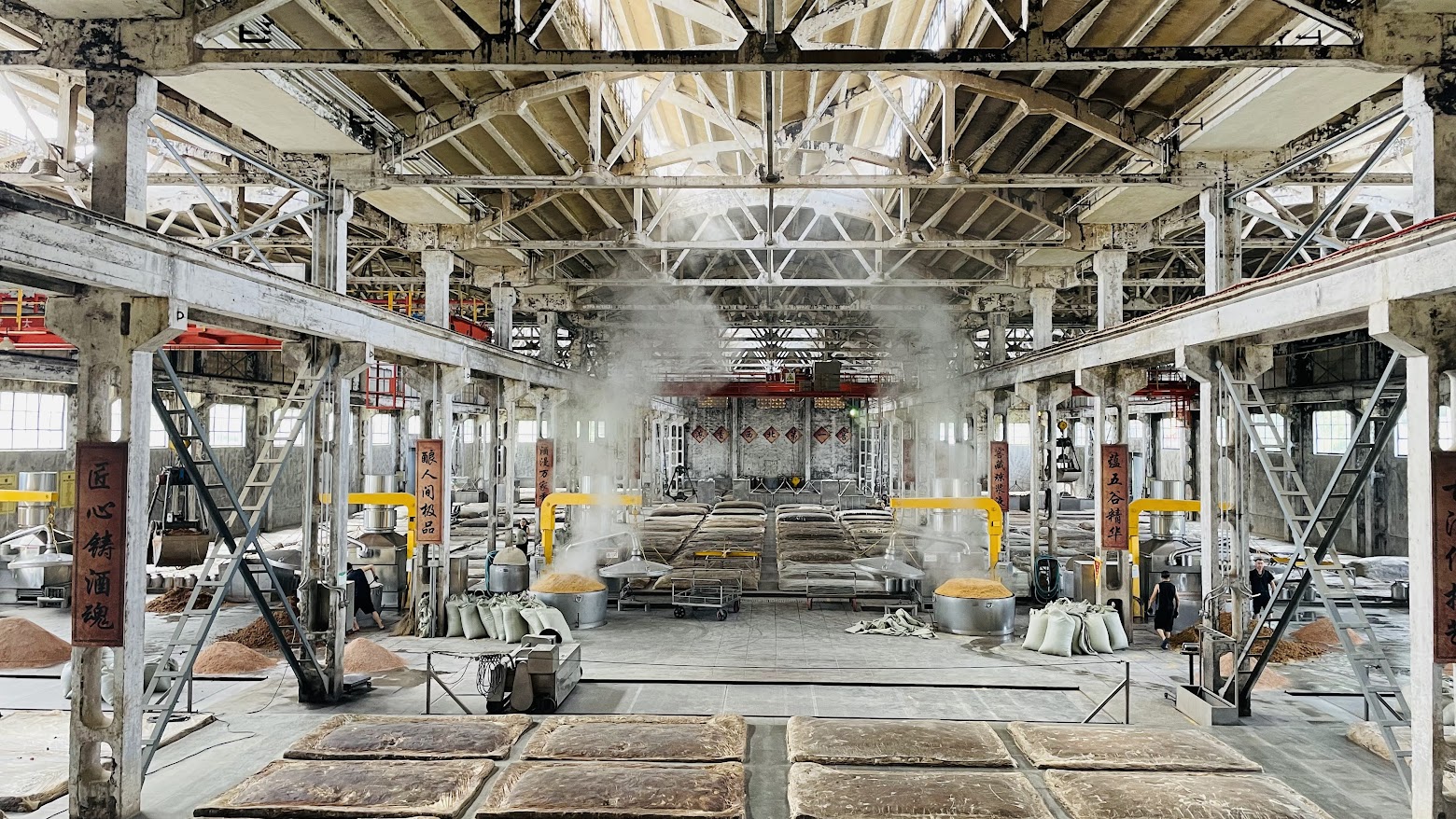


Setting off to Huxain County
Concluding the day’s events, we embarked on a three-hour drive to Huxian County, nestled within towering mountains. Despite its seemingly remote location, the infrastructure and development along the way were remarkable. Upon arrival, local officials graciously hosted us for dinner. The day ended as we retired to our respective hotels, reflecting on the industrial marvels and entrepreneurial ecosystems we had encountered.

Day 2: Longnan E-commerce College and Beyond: A Multi-Faceted Learning Experience
Visit to Longnan E-Commerce College
The second day unfolded with a visit to Longnan E-commerce College, an affiliate of Longnan Teachers College. Headed by its dean, the institution has trained over 25,000 students in specialized areas like live-stream commerce, effectively positioning itself as a crucible for future digital entrepreneurs.


Exploration of Longxiaonan Digital Agricultural Complex
Our ensuing engagement was a tour of the Longxiaonan Digital Agricultural Complex, managed by Mr. Li Wei. The complex stands as a model of integrated business in walnut production, seamlessly merging traditional agricultural practices with modern e-commerce techniques. The Longxionan Digital Agricultural Complex is a pioneering initiative that integrates e-commerce into the agricultural sector. With e-commerce revolutionizing trade practices, this complex has been instrumental in driving economic benefits for farmers. In 2019 alone, it facilitated transactions worth 180 billion yuan, benefiting over half a billion farmers. A growth rate of 41.7% is observed, with future projections estimating a transaction volume of over 1 trillion yuan by 2025. The digital agricultural complex is not just about transactions; it's about transforming agriculture. It connects a vast array of 410,000 agricultural products, with 96% of them achieving online sales. The complex emphasizes on elevating the quality and brand image of agricultural products, a vision substantiated by the 85% satisfaction rate. It houses a diverse range of 832 product varieties, from vegetables and fruits to poultry, underscoring its commitment to promoting the value of agriculture in the digital era.


Unconventional Visit to Mountain-Based Chicken Farm
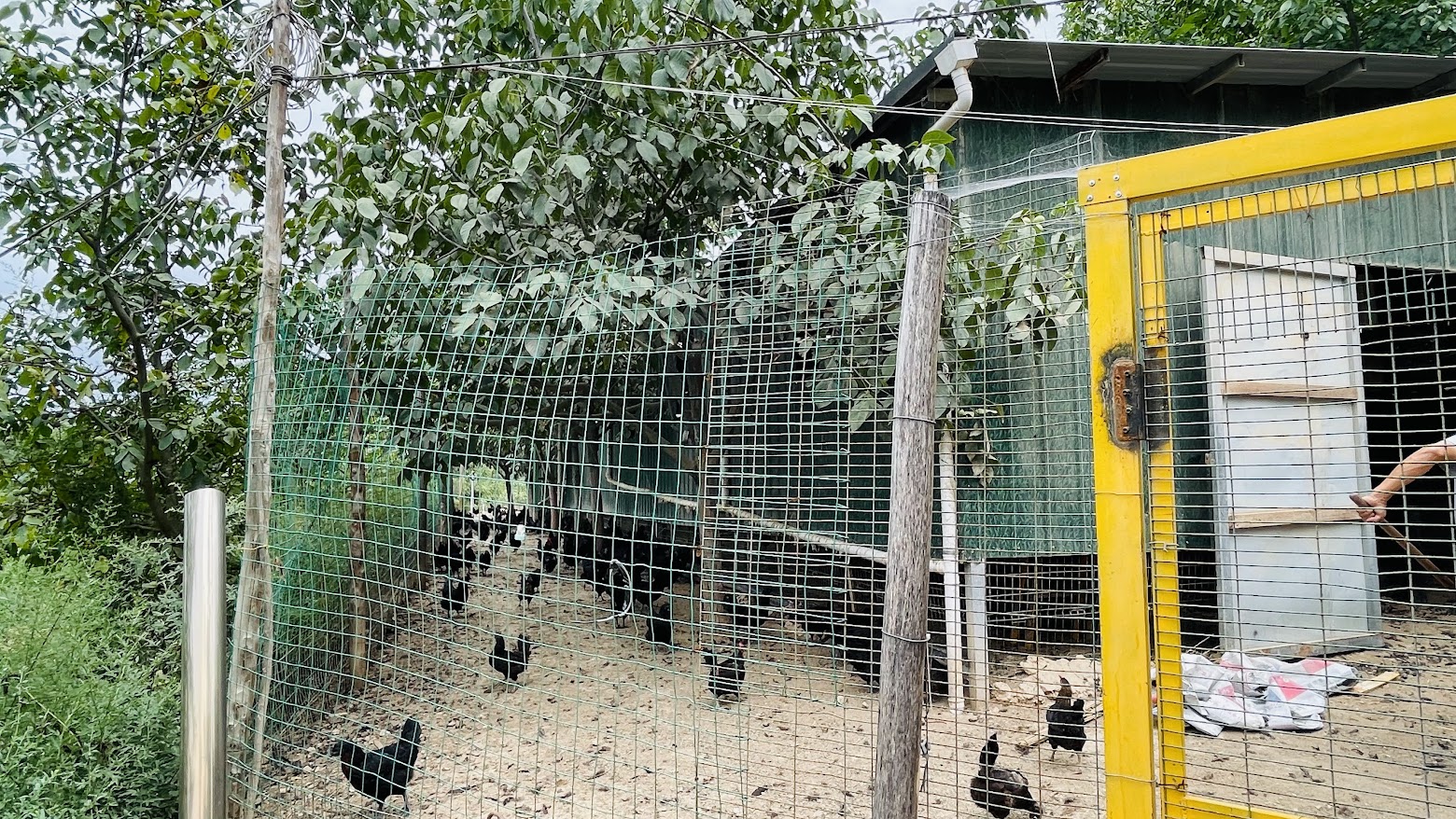
The day's itinerary took a turn for the unconventional as we visited a mountain-based chicken farm that also serves as a quasi-zoo. Managed by Mr. Zhang Qian and popularly known by the online moniker "Chicken Commander" (鸡司令), the farm is home to a diverse array of animals, including ostriches and Tibetan buffalo.
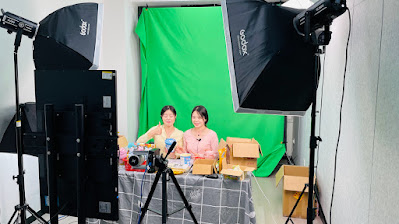
Beyond the livestock, what makes this farm stand out is its robust digital presence. The farm has garnered substantial attention on Douyin, China’s equivalent of TikTok, thanks to innovative live selling sessions conducted by Mr. Zhang. But the true star of these online interactions is a particular breed of chicken called "Guifei Chicken," cared for by a young farmer named Shang Yukang. He regularly livestreams the daily life and quirks of these chickens, sharing amusing anecdotes with an engaged online audience. The demand for both the chickens and their eggs has exceeded supply, as many viewers place orders after being captivated by Shang's storytelling.
Shang Yukang has also established the Cheng County Guifei Poultry Farming Cooperative. This cooperative aims to distribute chicken seedlings uniformly, provide feed and technical support, and manage waste effectively. Most importantly, the cooperative has empowered dozens of impoverished households in the surrounding areas by providing them with a sustainable means of income, contributing to poverty alleviation in the region.
This unconventional visit offered a unique perspective on how traditional farming practices can be revolutionized by leveraging modern digital marketing strategies. It also served as a vivid example of how e-commerce and social media can make a tangible difference in rural development and poverty alleviation.


Formal Conference Proceedings
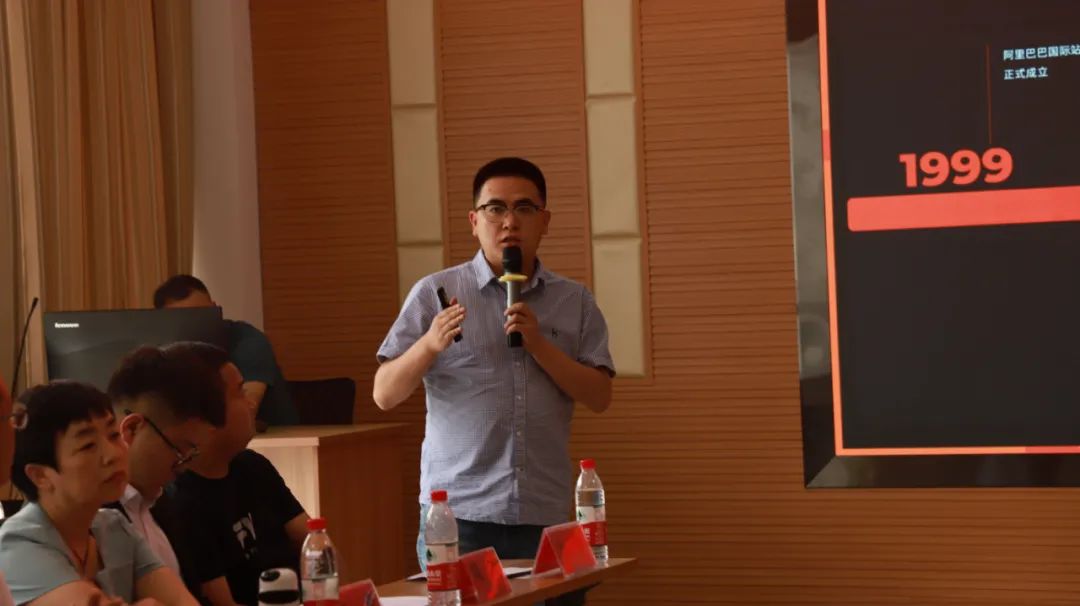
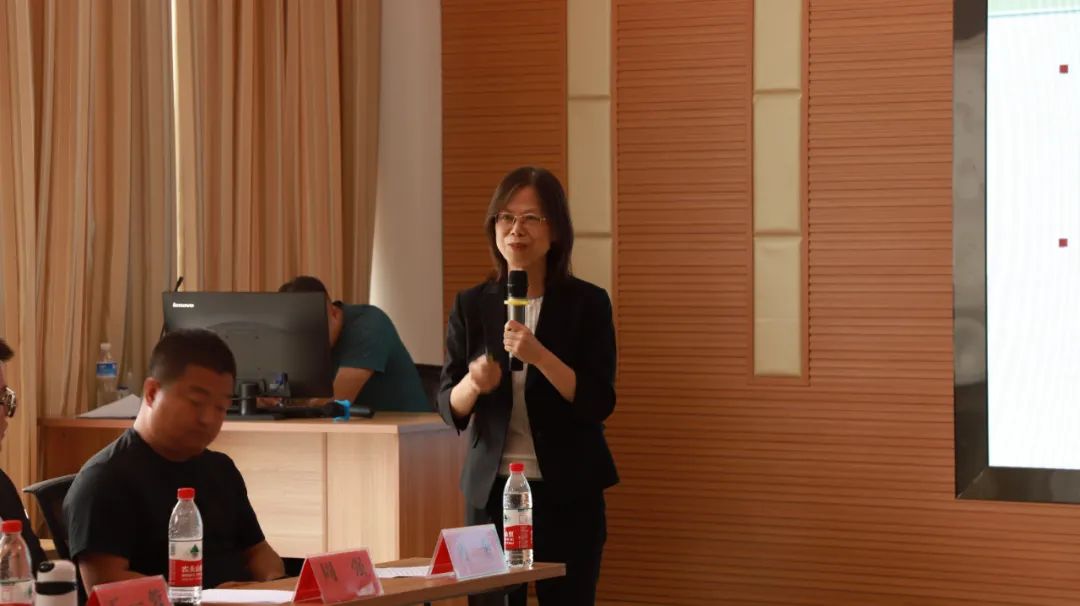
Post-lunch, the forum took a formal turn, chaired by Wang Xiaoyuan, Director of the City E-commerce Bureau. Notable speakers included Professor Zhou Deyi from Huazhong Agricultural University, who introduced the event's background; Wang Zihua, the regional head of Alibaba International, who expounded on cross-border business models; and Lu Shiqi, a standing committee member of the Chengxian County Committee, who attended and addressed the gathering.


Further enriching the conference were contributions from local and external experts. Among them were Ran Kui, the head of Shumei Soy Products; Ding Shijun, a professor at Zhongnan University of Economics and Law; Dong Chi, the dean of Shaanxi New Silk Road E-commerce Research Institute; and Wang Yirong, a representative from the National Foreign Exchange Administration's Longnan City Management Bureau. Topics spanned issues from the status quo of rural and cross-border e-commerce to innovative approaches and future trends.



Strategic Cooperation Ceremony
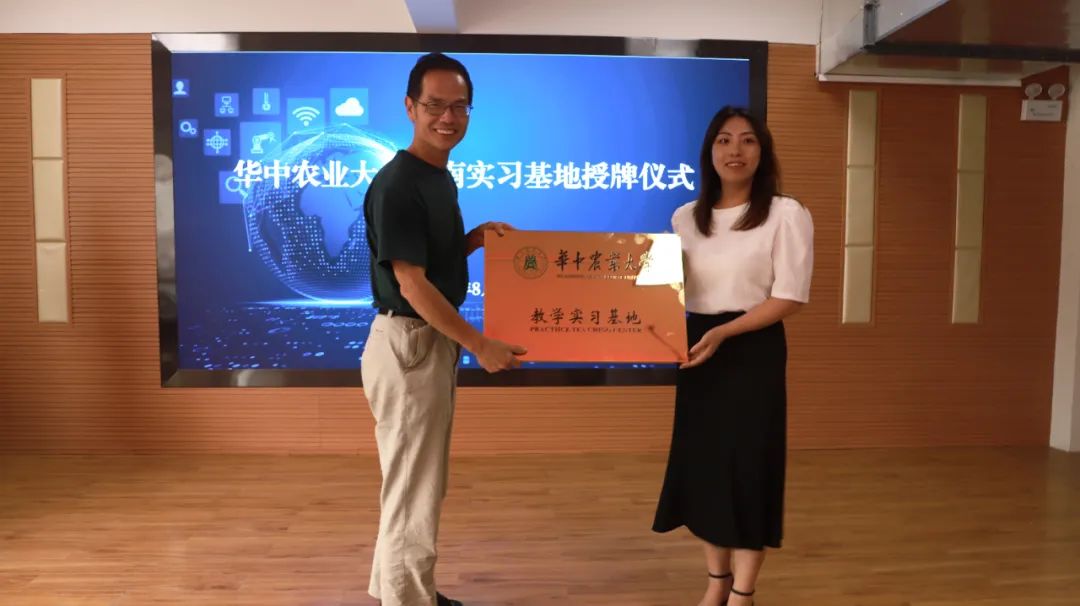
The day reached a crescendo with a strategic cooperation ceremony. Multiple educational institutions, including our own Huazhong Agricultural University, signed collaborative agreements with Longnan’s E-commerce Development Bureau, establishing a cornerstone for prospective academic and commercial undertakings.


Conference Attendance
The conference was attended by approximately 60 delegates, representing 17 universities and enterprises, including Alibaba International and several county-level e-commerce centers. The forum concluded with the signing of teaching and internship agreements, further cementing the collaborative ethos.
This conference not only acted as a platform for intellectual exchange but also served as a catalyst for actionable initiatives, leaving a lasting impression on all attendees.
CONCLUSION
The Longnan e-commerce landscape presents a compelling case study of how digital transformation can catalyze rural revitalization and economic development. The city's multi-tiered approach in building e-commerce infrastructure, from centralized hubs to rural service stations, highlights the scalability and adaptability of e-commerce as an economic engine. These findings align with the observations made during the forum where we examined the e-commerce initiatives of Longnan. The forum visits further substantiated the role of e-commerce in driving local economies and improving livelihoods, especially in the context of poverty alleviation.
Notably, Longnan's investment in e-commerce has resulted in a multifaceted impact, ranging from significant revenue generation to the elevation of local products on a broader market platform. The city's e-commerce ecosystem has not only helped in boosting sales of agricultural produce but also has had a multiplier effect on related sectors like logistics and human resources development. These observations are consistent with the scholarly discussion that transpired during our forum, specifically on the synergistic relationship between e-commerce and other sectors (Chen et al., 2019).
Longnan’s strategies, such as the development of a three-tier logistics system and the use of live-streaming for marketing, represent innovative solutions to traditional challenges in rural commerce. These strategies were a subject of keen interest during our forum discussions, particularly in the context of how technology can be employed creatively to solve long-standing economic issues.
However, it is crucial to remember that the Longnan model, while impressive, is not without its challenges. Issues like the digital divide and the need for further upskilling of the rural workforce for full e-commerce integration were points of concern discussed at our forum. Future investigations could focus on these areas for a holistic understanding of rural e-commerce development.
The Longnan e-commerce model, as studied in the 6th CBEC forum, serves as an illustrative example of how integrated, well-planned digital strategies can lead to sustainable economic development. It confirms that e-commerce can indeed serve as a critical tool in regional economic planning, fostering both growth and inclusivity.